
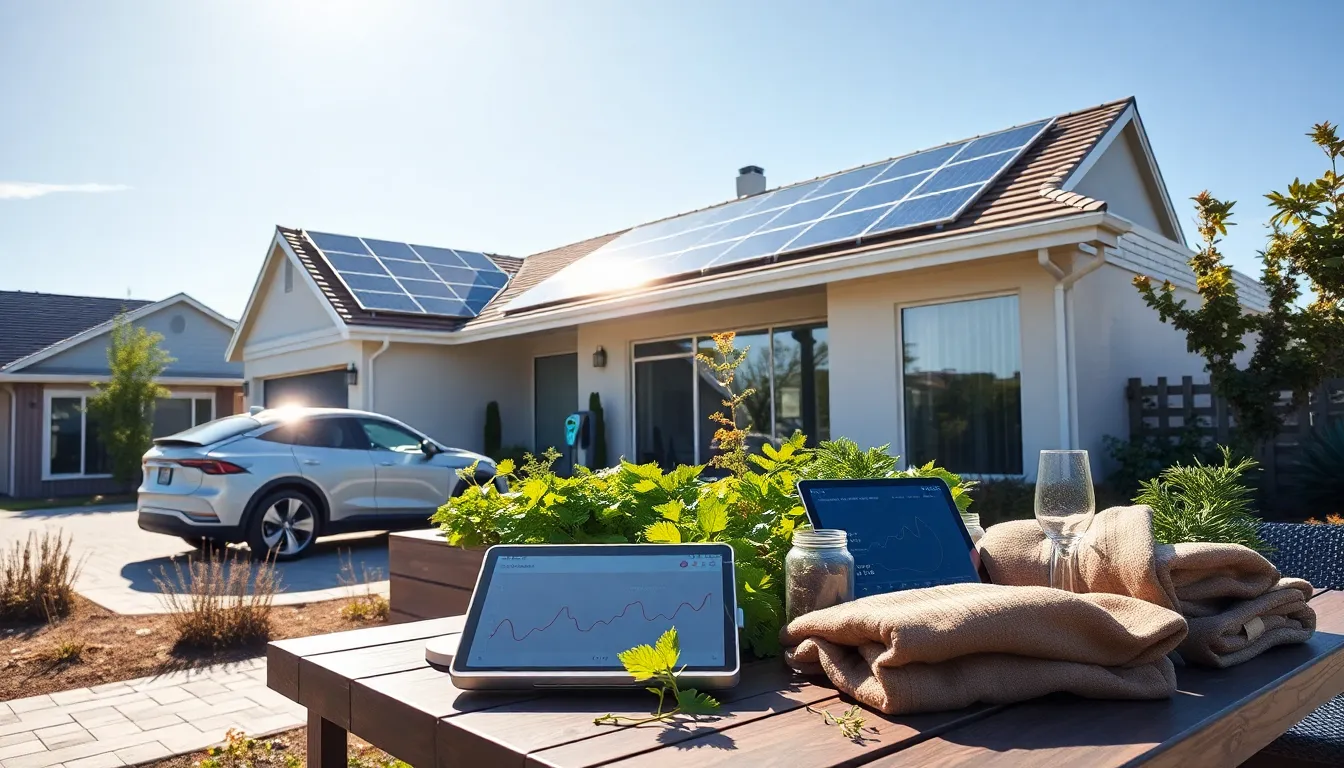

Sustainable living trends 2026 will reshape how people consume, power their homes, eat, dress, and use technology. The shift toward eco-conscious choices has moved beyond niche communities into everyday decision-making. Consumers now demand transparency, durability, and environmental accountability from brands. This year marks a turning point where sustainability becomes standard practice rather than an alternative lifestyle. From circular economies to plant-based eating, the changes ahead reflect both urgency and opportunity. Here’s what to expect as sustainable living trends 2026 take hold across industries and households.
Table of Contents
ToggleKey Takeaways
- Sustainable living trends 2026 will make eco-conscious choices the norm, with circular consumption, plant-forward diets, and energy independence leading the way.
- Circular consumption through resale, repair, and rental programs keeps products in use longer and reduces landfill waste.
- Home solar installations and battery storage now offer payback periods under seven years, making energy independence financially accessible.
- Plant-forward eating has gone mainstream, with cultivated meat and improved plant-based alternatives narrowing the gap with traditional animal products.
- Slow fashion and secondhand shopping are replacing fast fashion, with consumers prioritizing quality, durability, and supply chain transparency.
- Tech tools like carbon tracking apps, AI-powered resource optimization, and blockchain verification make sustainable living easier and more measurable.
The Rise of Circular Consumption
Circular consumption stands at the center of sustainable living trends 2026. This model keeps products and materials in use for as long as possible through resale, repair, refurbishment, and recycling.
Consumers have embraced secondhand shopping with enthusiasm. Resale platforms report double-digit growth year over year. Major retailers now offer buyback programs that give store credit for returned items. This creates a closed loop where products find new owners instead of landfills.
Repair services have also gained momentum. Electronics brands extend product lifespans through official repair programs. Local repair cafes have popped up in communities worldwide, teaching people how to fix everything from toasters to jeans. The European Union’s “right to repair” legislation has pushed manufacturers to design products that last longer and can be fixed easily.
Rental and subscription models continue to expand. Furniture, baby gear, tools, and formal wear can all be rented for short-term needs. This approach reduces waste while giving consumers access to high-quality items without full ownership costs.
Brands that resist circular practices face growing consumer backlash. Transparency about product origins and end-of-life options has become a purchase driver. People want to know where items come from and where they’ll go when no longer needed.
Energy Independence at Home
Home energy independence represents one of the most practical sustainable living trends 2026 offers. Homeowners are taking control of their power generation and storage.
Solar panel installations hit record numbers in 2025, and that momentum carries forward. Installation costs have dropped 70% over the past decade. Battery storage technology has improved dramatically, allowing households to store excess solar energy for nighttime use or grid outages.
Smart home systems optimize energy consumption automatically. These systems learn household patterns and adjust heating, cooling, and appliance usage accordingly. Some utilities now offer time-of-use pricing that rewards shifting energy consumption to off-peak hours.
Community solar programs have expanded access for renters and those without suitable rooftops. Participants buy or lease a portion of a shared solar array and receive credits on their electricity bills. This democratizes clean energy access beyond single-family homeowners.
Heat pumps have emerged as a popular alternative to gas furnaces. Modern heat pumps work efficiently even in cold climates and can both heat and cool homes. Government incentives have made the switch financially attractive for many households.
Energy independence ties directly into sustainable living trends 2026 because it reduces reliance on fossil fuels while cutting utility costs. The payback period for solar installations now averages under seven years in most regions.
Plant-Forward Diets Go Mainstream
Plant-forward eating has shifted from trend to norm within sustainable living trends 2026. This approach emphasizes vegetables, fruits, legumes, and grains while reducing (but not necessarily eliminating) animal products.
Grocery stores now dedicate significant shelf space to plant-based alternatives. The quality gap between traditional meat and plant-based options has narrowed considerably. Products taste better, cost less, and offer improved nutritional profiles compared to early iterations.
Restaurants have responded to demand by expanding vegetarian and vegan menu options. Fast food chains, fine dining establishments, and everything in between now feature plant-forward dishes prominently. What was once a special request has become standard practice.
Cultivated meat, grown from animal cells without raising or slaughtering animals, has received regulatory approval in multiple countries. While still premium-priced, production costs continue to fall. Industry analysts expect price parity with conventional meat within the next few years.
Consumers cite environmental concerns, health benefits, and animal welfare as primary motivations. Animal agriculture contributes significantly to greenhouse gas emissions, deforestation, and water usage. Reducing meat consumption offers one of the most impactful individual actions people can take.
Plant-forward eating aligns with sustainable living trends 2026 by addressing both personal health and planetary health. Flexitarian approaches, eating mostly plants with occasional meat, have proven more sustainable long-term than strict dietary rules for most people.
Sustainable Fashion and Slow Style Movements
Fashion’s environmental impact has pushed sustainable clothing to the forefront of sustainable living trends 2026. The industry produces roughly 10% of global carbon emissions and creates massive textile waste.
Slow fashion encourages buying fewer, higher-quality pieces that last for years. Consumers increasingly reject fast fashion’s disposable model. They’re willing to pay more for garments made with durable materials and ethical labor practices.
Secondhand clothing has lost its stigma entirely. Thrift stores, consignment shops, and online resale platforms attract shoppers across all income levels. Vintage and pre-owned items carry social cachet that new clothes sometimes lack.
Brands have responded with take-back programs, repair services, and rental options. Some companies now publish detailed supply chain information showing where materials originate and who makes their products. This transparency builds trust with conscious consumers.
Material innovation continues to advance. Recycled polyester, organic cotton, hemp, and newer materials like mushroom leather and apple leather reduce environmental impact. Biodegradable textiles that break down safely at end of life are entering the market.
Sustainable living trends 2026 in fashion emphasize quality over quantity. The average person now owns fewer items but wears them more frequently. Capsule wardrobes, small collections of versatile pieces, have gained popularity as an antidote to closet clutter and decision fatigue.
Tech-Driven Sustainability Solutions
Technology accelerates sustainable living trends 2026 in ways that weren’t possible even a few years ago. Digital tools help consumers and businesses track, measure, and reduce their environmental footprint.
Carbon tracking apps have matured significantly. Users can scan receipts, connect bank accounts, and receive accurate estimates of their carbon footprint based on spending patterns. These apps suggest specific actions to reduce impact and track progress over time.
Artificial intelligence optimizes resource usage across industries. Algorithms reduce food waste in grocery supply chains by predicting demand more accurately. Smart grids balance electricity supply and demand in real time. Precision agriculture cuts water and fertilizer usage while maintaining crop yields.
Blockchain technology provides supply chain transparency. Consumers can verify sustainability claims by tracing products from raw materials to finished goods. This accountability reduces greenwashing and rewards genuinely sustainable producers.
Electric vehicle infrastructure has expanded dramatically. Charging stations now appear at workplaces, shopping centers, and along highways. Battery range has increased while charging times have decreased. EV prices have reached parity with comparable gas vehicles in several categories.
Smart home devices contribute to sustainable living trends 2026 by automating conservation. Thermostats, lighting, and appliances coordinate to minimize waste without requiring constant attention. Water monitors detect leaks and track usage patterns.
These technological solutions make sustainable choices easier and more accessible. Barriers that once required significant effort or sacrifice have been reduced through innovation.