
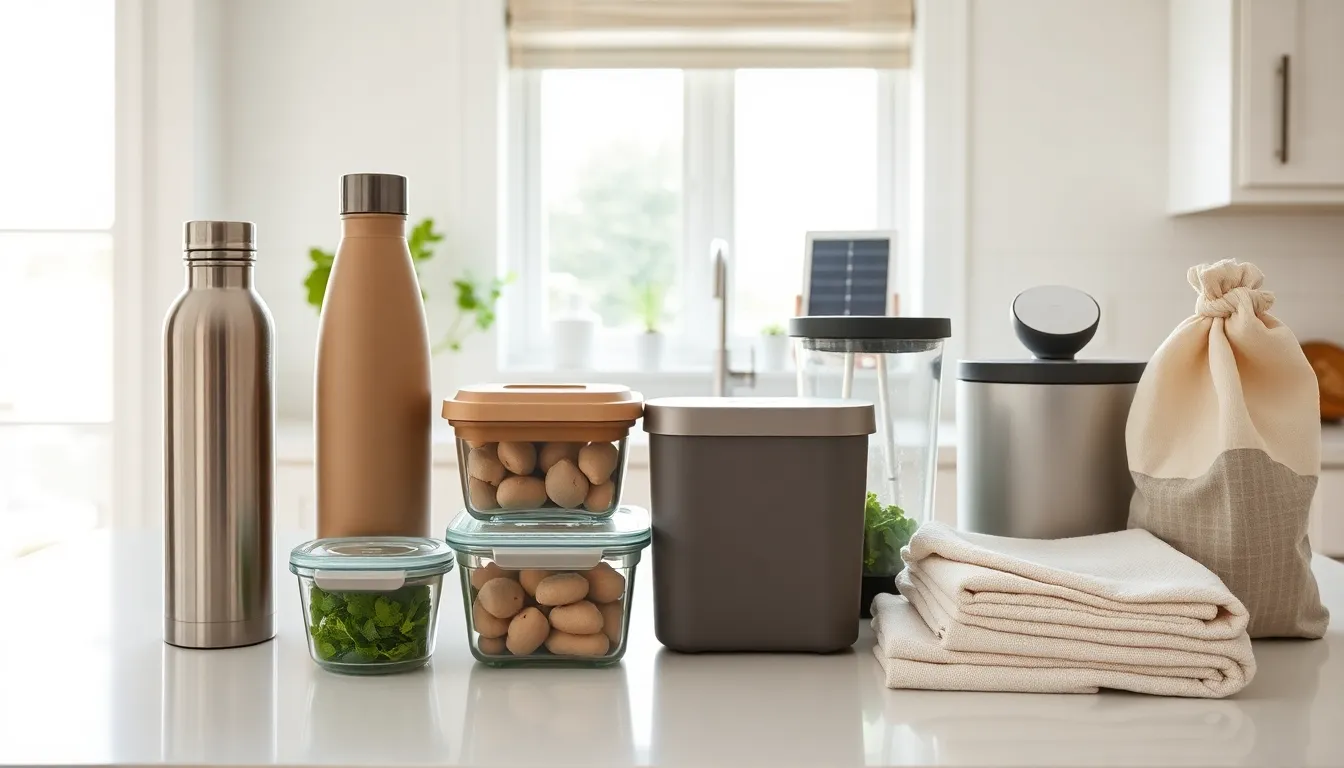

Sustainable living tools make it easier than ever to reduce waste and lower environmental impact. These products help households cut energy use, eliminate single-use plastics, and build greener habits without sacrificing convenience. From reusable kitchen essentials to solar-powered gadgets, sustainable living tools offer practical solutions for everyday challenges. This guide covers the best eco-friendly products across key categories, kitchen, home energy, and outdoor spaces. Readers will learn what to look for, which tools deliver real results, and how to build a more sustainable lifestyle one product at a time.
Table of Contents
ToggleKey Takeaways
- Sustainable living tools help reduce household waste, lower energy bills, and replace single-use plastics with durable, eco-friendly alternatives.
- Kitchen swaps like silicone food bags, beeswax wraps, and countertop compost bins can transform your home into a zero-waste zone.
- Smart thermostats, LED lighting, and smart power strips cut home energy use by up to 75% while saving money on utility costs.
- Outdoor sustainable living tools like rain barrels, battery-powered lawn equipment, and compost systems extend eco-friendly practices beyond your home’s interior.
- Always verify product quality by checking third-party certifications, durability reviews, and brand transparency before purchasing.
- Investing in higher-quality sustainable products saves money long-term and reduces environmental impact across the product’s full lifecycle.
Why Sustainable Living Tools Matter
The average American generates about 4.9 pounds of trash per day, according to the EPA. Much of this waste comes from disposable products that sustainable living tools can easily replace. Switching to reusable and eco-friendly alternatives reduces landfill contributions and cuts household spending over time.
Sustainable living tools also address energy consumption. Homes account for roughly 20% of U.S. greenhouse gas emissions. Energy-efficient gadgets and smart devices help families lower their carbon footprint while saving money on utility bills.
Beyond environmental benefits, these tools often perform better than their disposable counterparts. A quality stainless steel water bottle outlasts hundreds of plastic bottles. A well-made compost bin turns food scraps into garden gold. Sustainable living tools represent a shift from throwaway culture to intentional, lasting choices.
Consumers increasingly demand products that align with their values. A 2023 survey found that 78% of shoppers consider sustainability when making purchases. Sustainable living tools meet this demand by offering practical, planet-friendly options for daily life.
Must-Have Tools for a Zero-Waste Kitchen
The kitchen generates more household waste than any other room. Sustainable living tools can transform this space into a zero-waste zone with a few strategic swaps.
Reusable Food Storage
Silicone food bags and beeswax wraps replace plastic bags and cling film. These products last for years and keep food fresh just as effectively. Glass containers with airtight lids work for meal prep, leftovers, and pantry storage.
Composting Systems
A countertop compost bin makes food scrap collection simple. Models with charcoal filters control odors, and the compost enriches garden soil. For apartment dwellers, electric composters break down scraps in hours rather than months.
Sustainable Cleaning Supplies
Swap paper towels for washable cloth alternatives. Swedish dishcloths absorb 20 times their weight and last for months. Bamboo scrub brushes with replaceable heads eliminate plastic dish sponges.
Bulk Shopping Essentials
Cotton produce bags and glass jars allow shoppers to buy in bulk without packaging waste. A kitchen scale helps with portion control and reduces food waste. These sustainable living tools pay for themselves quickly through reduced grocery packaging costs.
Energy-Saving Gadgets for Your Home
Home energy use represents a major opportunity for sustainable living. The right gadgets cut consumption without requiring lifestyle sacrifices.
Smart Thermostats
Programmable thermostats learn household patterns and adjust heating and cooling automatically. The EPA estimates these devices save homeowners 8% on energy bills annually. Models like Nest and Ecobee integrate with smartphone apps for remote control.
LED Lighting Solutions
LED bulbs use 75% less energy than incandescent lights and last 25 times longer. Smart LED systems allow dimming, scheduling, and color adjustment. The upfront cost pays off within months through lower electricity bills.
Smart Power Strips
Phantom energy drain, power consumed by devices in standby mode, costs American households about $100 per year. Smart power strips detect when devices are off and cut power automatically. They’re particularly useful for entertainment centers and home offices.
Solar-Powered Chargers
Portable solar panels charge phones, tablets, and small devices using free sunlight. These sustainable living tools work well for outdoor enthusiasts and serve as backup power during outages. Quality panels fold compactly for storage and travel.
Outdoor and Garden Sustainability Tools
Sustainable living extends beyond interior spaces. Gardens and outdoor areas offer excellent opportunities to carry out eco-friendly practices.
Rain Barrels and Water Collection
Rain barrels capture free water for garden irrigation. A typical barrel holds 50-80 gallons and connects directly to downspouts. This reduces municipal water use and lowers utility costs during growing season.
Manual and Electric Lawn Care
Gas-powered lawn equipment produces significant emissions. Reel mowers offer a zero-emission alternative for small yards. For larger properties, battery-powered mowers and trimmers provide the same power without the pollution.
Composting and Soil Health
Outdoor compost bins and tumbler systems process yard waste and kitchen scraps efficiently. Worm bins (vermicomposting) produce nutrient-rich castings ideal for vegetable gardens. These sustainable living tools close the loop on organic waste.
Native Plant Gardening
Native plants require less water, fewer pesticides, and minimal maintenance. Seed libraries and local nurseries offer region-appropriate options. Pollinator gardens support declining bee and butterfly populations while reducing lawn care demands.
How to Choose Quality Sustainable Products
Not all eco-friendly products deliver on their promises. Smart shoppers evaluate sustainable living tools carefully before buying.
Check Materials and Certifications
Look for products made from recycled, recyclable, or biodegradable materials. Third-party certifications like B Corp, USDA Organic, and Energy Star verify environmental claims. Avoid greenwashing by reading labels closely.
Consider Lifespan and Durability
A truly sustainable product lasts for years. Check reviews for durability feedback. Sometimes paying more upfront saves money and resources long-term. A $30 stainless steel lunchbox beats a $5 plastic container that cracks after six months.
Evaluate the Full Lifecycle
Where was the product made? How was it shipped? Can it be repaired or recycled at end of life? Sustainable living tools should minimize environmental impact from production through disposal.
Support Transparent Brands
Companies committed to sustainability publish their practices openly. Look for brands that disclose supply chains, carbon footprints, and social responsibility efforts. Customer reviews often reveal whether products match marketing claims.